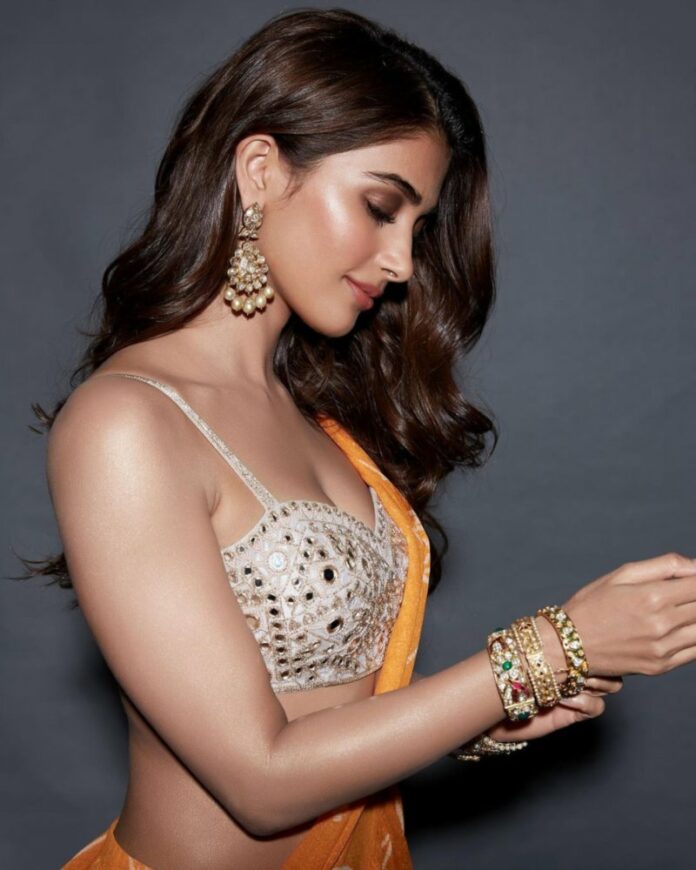
A saree is one piece of unstitched cloth, yet the South has never settled on a single way to wear it. Walk through a Chennai wedding hall, a Kochi temple festival, a Hyderabad function and a Madikeri family gathering, and you will see the same six metres turned into very different looks. This guide explains the main South Indian draping styles in plain steps, shows how celebrities wear them today, and helps you choose the one that suits your occasion, fabric and comfort.
Why South India has so many drapes
Drapes grew out of climate, work, community custom and the length of the cloth itself. A nine-yard saree behaves differently from a six-yard one. A two-piece set behaves differently from a single piece. Many families still follow a particular drape for rituals, even if they wear the nivi style everyday. Details vary by region, community and even household, so treat what follows as the common patterns rather than a rulebook.
The nivi drape: the style most of us wear
Nivi is the style you see on most red carpets, at film events and in shop windows. It is popular because it is quick to learn and works with almost every fabric, from silk to organza.
How it is draped
- Tuck one end of the saree into the petticoat at the waist, usually starting from the right side, and take it once around.
- Gather the cloth into even pleats, around five to seven, and tuck them in at the centre, facing slightly left.
- Take the remaining cloth around the waist again and bring it over the left shoulder as the pallu.
- Pin the pallu at the shoulder so it falls cleanly, or spread it wide for a showy look.
Where you see it
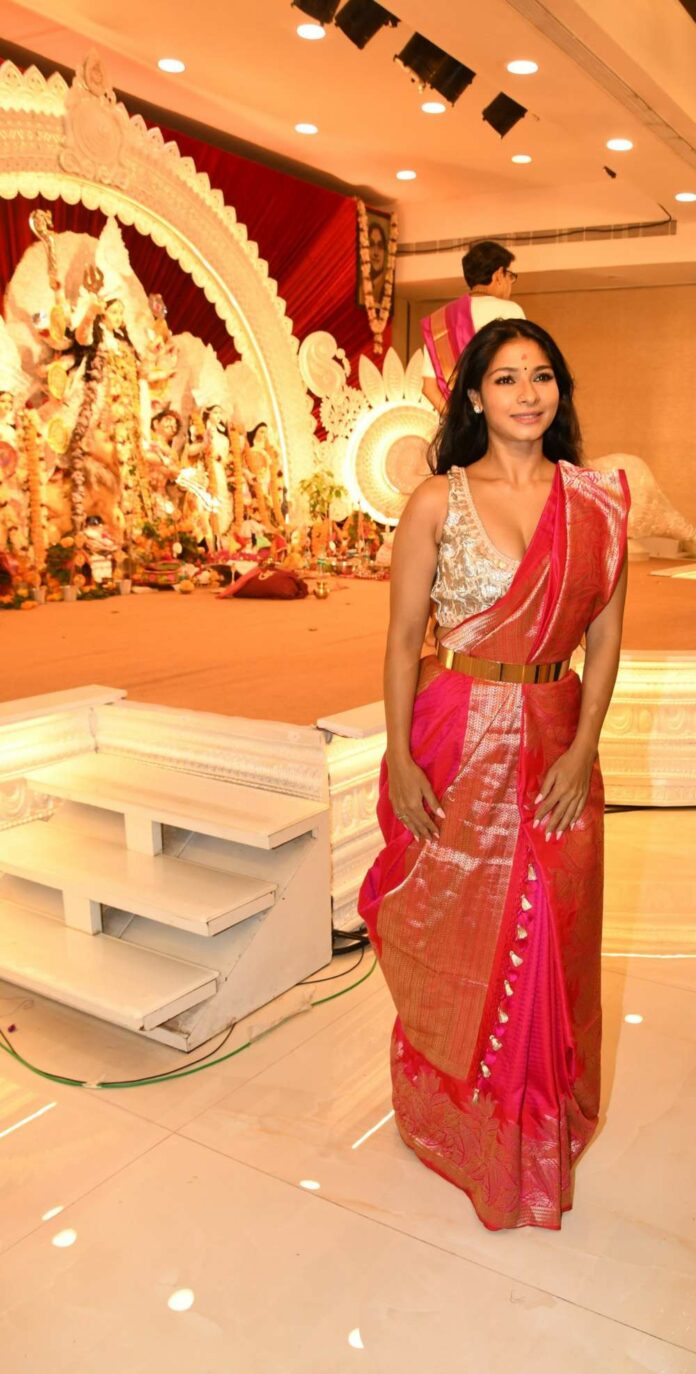
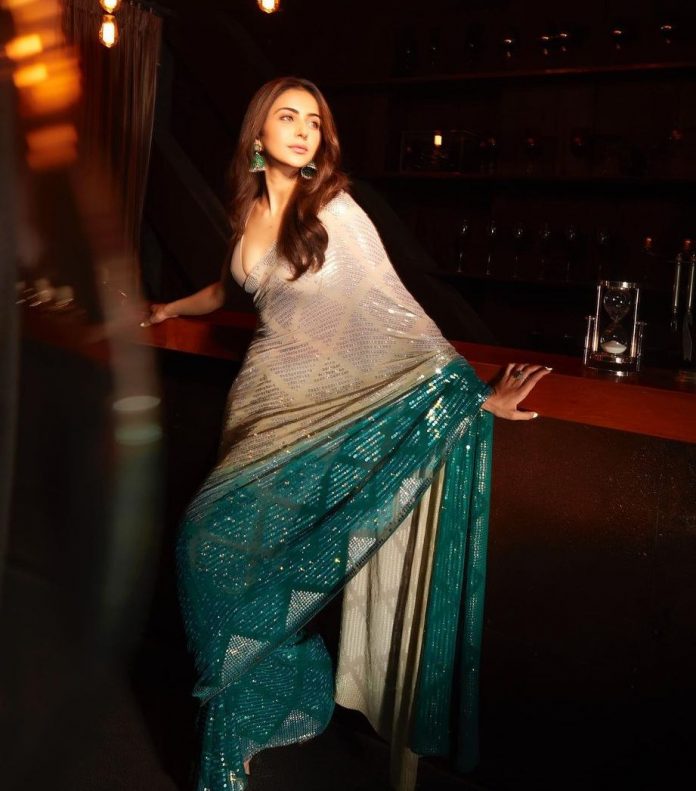
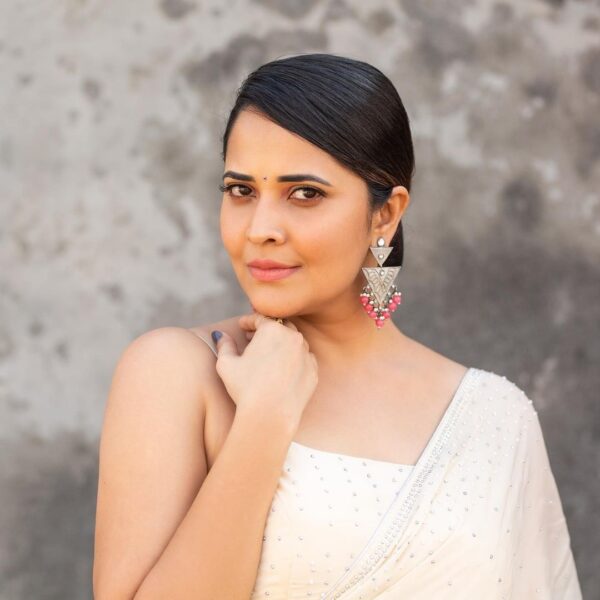
Actresses love the nivi drape because it shows the blouse, the border and the pallu all at once. Look at how Raashii Khanna wears a pink organza saree or how Anupama Parameswaran drapes a blue organza saree. Light, crisp fabrics hold neat pleats beautifully in this style.
[PHOTO: a clear full-length shot of a classic nivi drape with even pleats and a pinned pallu, from the Raashii Khanna pink organza saree post]
For heavier silks, the same nivi drape looks richer and more traditional. See Ketika Sharma in a green silk saree and Payal Rajput in a blue silk saree, both worn for shop openings, which are classic daytime function looks.
Madisar: the Tamil Brahmin nine-yard drape
Madisar is the traditional nine-yard saree style of Tamil Nadu, associated especially with Tamil Brahmin families and often worn for weddings, poojas and festivals. The extra length allows a drape that passes between the legs, giving freedom of movement, which is why it was practical for rituals and daily work.
What makes it different
- The cloth is nine yards long instead of six.
- One part of the saree is brought around the legs in a way similar to a dhoti, then tucked at the back.
- The pleats are arranged at the front, and the pallu is brought over the shoulder in the style the family follows.
- It is usually worn with a blouse and often without a separate petticoat, depending on custom.
Madisar is a skill passed from elders, and families have small variations in how the pallu is arranged. If you are wearing it for a ritual, it helps to ask an elder at home or an experienced drape artist to guide you. Cotton and silk nine-yard sarees are both common.
[PHOTO: an illustration or well-lit photo of a traditional nine-yard madisar drape; no matching post is listed, so source an original or clean photo]
Kerala mundum neriyathum and the kasavu look
In Kerala, the traditional dress for women is the mundum neriyathum, a two-piece drape. The mundu is the lower garment, wrapped and tucked at the waist. The neriyathu is a thinner cloth, worn over the shoulder, often over a blouse. Its signature is the plain off-white or cream cloth with a gold or coloured kasavu border, which gives the set a calm, elegant look.
How it is worn
- The mundu is wrapped around the waist and tucked, with fan-shaped pleats at the front.
- The neriyathu is draped diagonally over the shoulder and across the chest, often pinned.
- The look is paired with a simple blouse and light jewellery, often gold temple pieces and fresh jasmine in the hair.
This is the classic Onam and Vishu look. You can see the festive spirit of Kerala in Malavika Mohanan's Vishu look in an organza saree. Many people today also wear a kasavu saree in a regular saree drape, which keeps the look but is easier to manage.
Coorgi (Kodagu) drape: pleats at the back
The Coorgi style, from Kodagu in Karnataka, is one of the most distinctive drapes in India. The pleats are placed at the back rather than the front, and the pallu is brought from the back over the right shoulder and pinned, then tucked in at the front. It is believed to have suited the community's active, hill-country lifestyle.
The main steps
- Start with the saree tucked at the waist, but form the pleats at the back instead of the front.
- Bring the pallu around from the back, over the right shoulder, and pin it in place.
- Often a small piece or the pallu edge is tucked in at the front, giving a neat wrapped finish.
It is traditionally worn with a full-sleeved blouse and a decorative accessory on the head, depending on the occasion. For a modern example, read how Rashmika Mandanna drapes a saree Kodagu style, a good reminder that regional drapes are also a way to celebrate where you come from.
[PHOTO: the Kodagu-style drape showing the back pleats and pinned pallu, from the Rashmika Mandanna post]
Other South Indian styles worth knowing
Half saree (langa voni)
The half saree is a three-piece set: a long skirt, a blouse and a dupatta-like cloth draped over the shoulder. Traditionally worn by young girls in Andhra, Telangana, Tamil Nadu and Karnataka, it marks a coming-of-age function and is also loved as festive wear. It is a good bridge between a lehenga and a saree.
Seedha pallu and ulta pallu
In many parts of the country, the pallu is brought over the left shoulder (seedha pallu). Some communities and regions bring it over the right shoulder (ulta pallu). In the South you will see both, depending on the community and the drape.
Concept and drape-skirt styles
Designers now play with the drape, from a pleated skirt with a draped cloth to a dhoti-style saree. These are Indo-western and work well for cocktail evenings. Examples include Shilpa Shetty's pink concept drape, Sneha Prasanna's wine draped skirt set and Aishwarya Rajesh in a black draped skirt set.
The pre-draped saree: the modern shortcut
A pre-draped saree is stitched with the pleats set, so you step into it like a skirt and drape only the pallu. It is popular for events where you need to look sharp for hours without adjusting. It also helps first-time wearers and anyone who is short on time.
You will see many film stars choose this option for stage events. A few examples: Pooja Hegde in red at a trailer launch, Sreeleela in an ivory ruffle saree at a pre-release event, and Shriya Saran in a cream ruffle saree. Ruffle versions look especially playful, as in Keerthy Suresh's ivory ruffle saree.
Pros and cons
- Pros: quick to wear, neat pleats that stay, good for events and travel.
- Cons: less flexible in fit, and it does not carry the ritual feel of a hand-draped silk saree.
How to choose the right drape
- For a temple, pooja or wedding ritual: choose the traditional drape your family follows, such as madisar or mundum neriyathum.
- For a film event or party: nivi in organza or a pre-draped saree photographs well.
- For a festival at home: a kasavu saree in nivi style, or a half saree for younger girls.
- For comfort all day: a pre-draped saree or a cotton nivi with a well-fitted blouse.
Practical tips for a better drape
- Wear the shoes or heels you plan to use before you set the length at the floor.
- Choose a petticoat that fits snugly at the waist so the saree does not slip.
- Use a few safety pins at the pallu, the pleats and the waist, and keep spares in your bag.
- Iron the pleats lightly before you tuck them for a cleaner fall.
- Match the blouse to the occasion: a high neck and full sleeves for a traditional look, a boat neck for a balanced one.
Final thoughts
Learning one or two drapes is enough to make you comfortable. Start with nivi, then try the regional style that connects to your family or taste. A saree is as much about how you carry it as how you tie it.
FAQ
What is the most common saree draping style in South India?
The nivi style is the most common today, especially for events, offices and parties. Traditional styles such as madisar and mundum neriyathum are still worn for rituals and festivals.
How is madisar different from a regular saree?
Madisar uses a nine-yard saree and a drape that passes between the legs, similar to a dhoti. It is traditionally linked with Tamil Brahmin families and is worn for weddings and poojas.
What is mundum neriyathum?
It is the traditional two-piece Kerala drape. The mundu is wrapped around the waist, and the neriyathu is worn over the shoulder. The kasavu border is its most recognised feature.
What makes the Coorgi drape unique?
The pleats are formed at the back, and the pallu comes from the back over the right shoulder and is pinned. This gives it a look quite unlike other drapes.
Is a pre-draped saree a good option for beginners?
Yes. The pleats are already stitched in place, so you only arrange the pallu. It is useful for long events, though it will not suit rituals that need a traditional drape.
Can I wear a regional drape with a modern blouse?
Absolutely. Many people pair a kasavu or Kodagu-style drape with a contemporary blouse. Just keep the neckline and sleeves in balance with the occasion.